Rolex Perpetual 1908 Platinum 52506 replica Watch
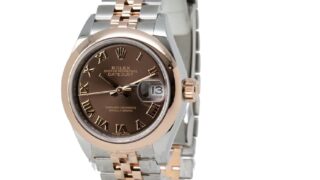
Following the discontinuation of the Cellini collection last year and the debut of the 1908 at the same time, Rolex has decided to offer consumers yet another option alongside the existing yellow and white gold models. The new Rolex 1908 in platinum (Ref. 52506) presents a weightRead More
Rolex sales $17 billion but MoonSwatch is the winner in 2023
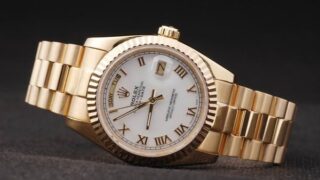
In 2023, replica Rolex remained a dominant force in the Swiss watch industry, with its sales surpassing $17 billion, marking a 9% increase in turnover to CHF 10.1 billion. This surge indicates Rolex’s formidable presence, claiming a significant 30% market share at retail, aRead More
Elevating the Watch Shopping Experience
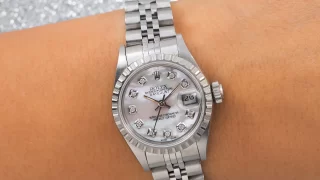
Renowned for its opulent watches and jewelry, Bhindi has reopened its reimagined timepiece and jewelry salon at the Glendale Galleria shopping center in Southern California. The Bhindi family, in collaboration with partner brands, invested three years in meticulously renovating tRead More
The Pinnacle of Rolex Watches
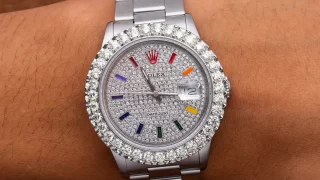
Whether you’re a dedicated collector or an aspiring enthusiast, Rolex stands as the epitome of luxury watches, earning the title of the Rolls-Royce in the industry since its establishment in 1905 by the visionary Hans Wilsdorf. Beyond being a timekeeping device, owning a RoRead More
Buy the Luxury Oyster Perpetual Yacht-Master 42
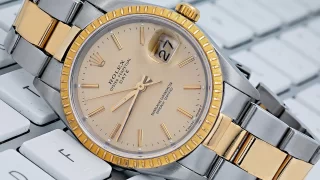
Oyster Perpetual Yacht-Master represents nautical luxury, combining Rolex’s renowned craftsmanship with cutting-edge technology.Rolex’s Yacht-Master collection has always been celebrated for its association with yachting and maritime adventures. The new Oyster PerpetuRead More
The Difference in Rolex Twinlock vs Triplock?
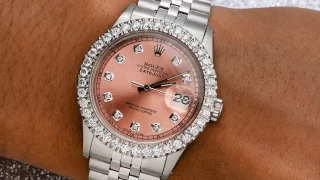
Rolex watches are known for their elegance, style, robustness, and water resistance, making them popular choices for divers and adventurers. The crown sealing system is one key aspect that contributes to their water resistance. Replica Rolex offers two main types of crown sealingRead More
What should we consider when Choosing the Blue Rolex Submarine?
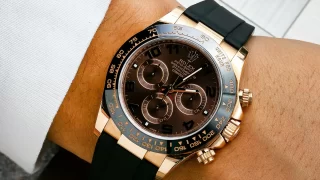
The Rolex Submariner is an iconic timepiece that has set the standard for luxury replica watches. Among the various iterations of the Submariner, the blue dial version stands out as a captivating choice that combines elegance and versatility. Choosing the best blue Rolex SubmarinRead More
Do yo know how to Spot a Fake Rolex?
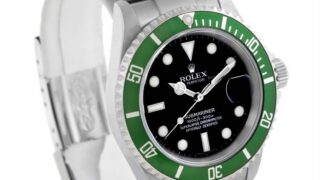
As one of the world’s most recognizable and coveted luxury watch brands, it’s no surprise that Rolex is a popular target for counterfeiters. Fake Rolex watches can be found almost anywhere, both online and offline, and there are reportedly more replica Rolex SubmarineRead More
The Essence of Rolex Silver Dial Oyster Perpetual Watches
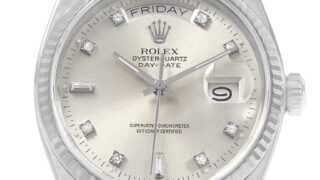
The watches in the Oyster Perpetual collection symbolize universal and classic style while offering the essential functions of everyday life – hours, minutes, and seconds. Firmly rooted in Rolex’s pioneering origins, these models embody timeless form and function. TheRead More
Breitling CEO on Elon Musk “He’s on the edge of genius or total insanity.”
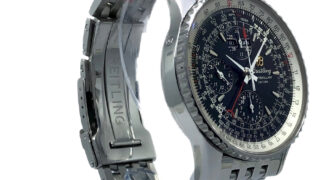
Today, we’re going on a group surfing trip in honor of clone Breitling’s new surf-focused Superocean collection. Kern’s outfit of choice this time is a wetsuit. “People want experiences,” Kern tells us after a morning on a surfboard in the Atlantic ORead More